
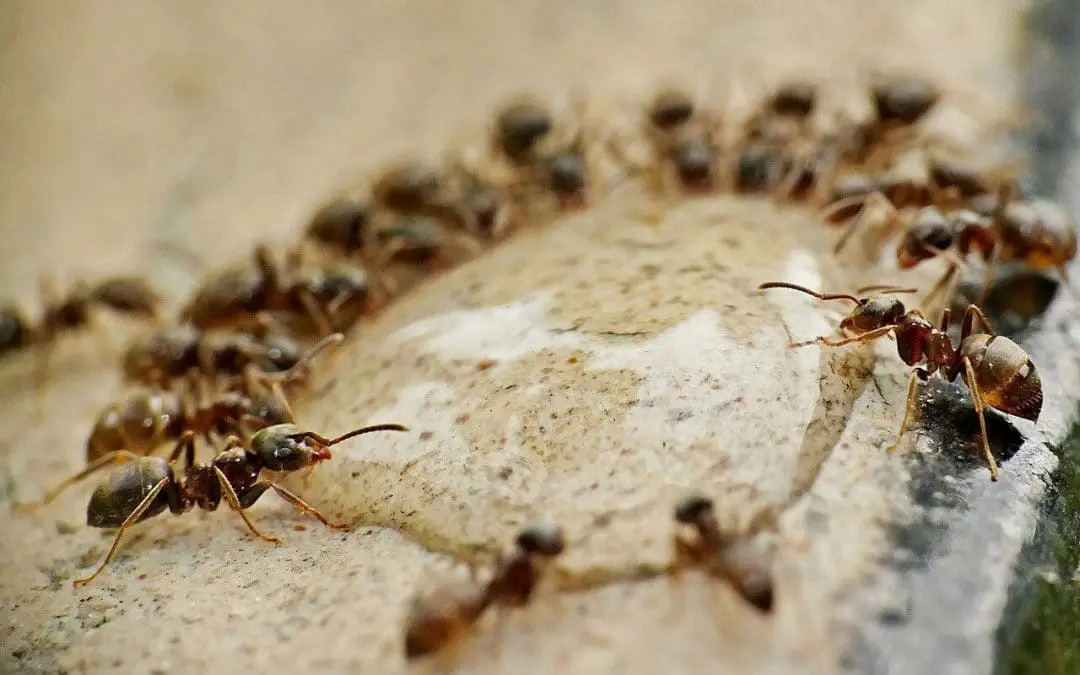
Ants are one of the most common household pests, and once they find their way inside, it often feels like an uphill battle to get them out. Getting rid of ants requires more than just spraying the ones you can see; it means understanding why they’re there, cutting off what’s attracting them, and addressing the colony at its source. Whether you’re dealing with a few scouts in the kitchen or a full-blown infestation, the right approach makes a significant difference in how quickly and effectively you can reclaim your space.
Why Ants Enter Your Home
Ants are almost always searching for one of three things: food, water, or shelter. A crumb-covered countertop, a leaky pipe under the sink, or a gap in your foundation are all open invitations. Most ant activity inside the home is driven by worker ants following scent trails left by scouts who have already located a food or water source. Understanding this is key; killing the ants you can see doesn’t eliminate the colony or the trail that keeps sending more in behind them.
How to Get Rid of Ants in the Kitchen
The kitchen is the most common entry point for ant activity, and eliminating food and moisture sources is the first line of defense. Store pantry items in airtight containers, wipe down countertops and stovetops regularly, and avoid leaving dirty dishes in the sink overnight. Pay close attention to pet food bowls, which are a frequent but overlooked attractant. Mopping up spills promptly and emptying trash cans regularly removes the food signals that draw ants in and keep them coming back.
Use Bait Traps for Long-Term Results
One of the most effective ways to get rid of ants is through bait traps rather than contact sprays. While sprays kill the ants they touch, bait traps work differently; worker ants carry the bait back to the colony, where it eliminates the source of the problem rather than just the visible symptoms. Gel baits and bait stations are widely available and work well for common indoor ant species. Patience is important; it may take several days for bait to work through a colony fully, so resist the urge to spray in the meantime, which can disrupt the process.
Get Rid of Ants with Natural Remedies
Several natural options can help deter ants without the use of chemical pesticides. Diatomaceous earth, a fine powder made from fossilized algae, damages the exoskeletons of ants that crawl through it and is safe to use around children and pets when applied correctly. White vinegar diluted with water disrupts scent trails when sprayed along entry points and common ant pathways. Peppermint oil, cinnamon, and cayenne pepper are also commonly used as natural deterrents along windowsills, doorframes, and other entry points, though these work best as supplemental measures alongside more targeted treatments.
Seal Entry Points to Get Rid of Ants for Good
Treating an active infestation is only half the battle. Sealing the entry points ants are using to get inside prevents new activity from starting once the current problem is resolved. Inspect the exterior of your home for cracks in the foundation, gaps around utility lines, and deteriorating caulk around windows and doors. Steel wool, caulk, and weatherstripping are all effective materials for closing off common entry points. Trimming trees and shrubs that make contact with your home’s exterior also eliminates the natural bridges ants use to reach entry points higher up.
When to Call a Professional
Most ant problems can be managed effectively with the right combination of baiting, exclusion, and sanitation. However, certain species, particularly carpenter ants, which nest in wood and can cause structural damage over time, warrant professional attention. If bait traps and exclusion measures haven’t resolved the problem after a few weeks, or if you’re seeing large black ants near wood structures inside your home, consulting a licensed pest control professional is a reasonable next step. A professional can identify the species, locate the colony, and apply targeted treatments that aren’t available over the counter.
Frequently Asked Questions (FAQs)
What is the fastest way to get rid of ants?
For immediate relief, wiping down surfaces with a diluted vinegar solution disrupts scent trails and removes the chemical signals guiding ants inside. Bait traps deliver the most effective long-term results by targeting the colony directly, though they take a few days to work fully.
Why do I suddenly have ants in my house?
A sudden increase in ant activity is usually triggered by a change in conditions, warm weather pushing colonies to expand, heavy rain flooding outdoor nests, or a new food or moisture source becoming available inside. Identifying and eliminating what’s attracting them is the most important first step.
Do ant sprays actually work?
Contact sprays kill the ants they reach, but do nothing to address the colony producing them. They can also disrupt bait treatments by making worker ants avoid treated areas. Bait traps are generally more effective for eliminating an infestation rather than just reducing visible ant numbers temporarily.
How do I get rid of ants outside before they come inside?
Keeping mulch and soil at least six inches away from your home’s foundation, trimming vegetation that touches the exterior, and applying a perimeter treatment of granular bait or outdoor ant spray around the base of your home are all effective preventive measures.
Are ants dangerous?
Most common household ant species are a nuisance rather than a health or safety risk. However, carpenter ants can cause structural damage over time, and fire ants deliver painful stings that could cause allergic reactions in some people.
HomeSpec offers inspection services in North Mississippi and Southwest Tennessee. Contact us to request an appointment.