
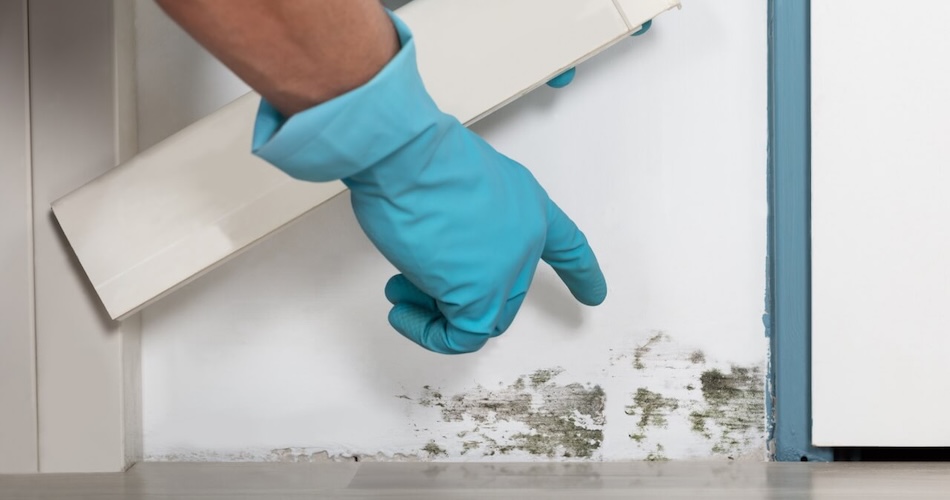
Mold is not a housekeeping problem; it’s a moisture management problem. It grows in kitchens, bathrooms, basements, attics, and inside wall cavities because moisture conditions exist in those locations. The homeowners who successfully prevent mold growth long-term are those who understand where moisture comes from, how it accumulates in hidden locations, and which interventions most directly control the conditions that allow mold to take hold.
Controlling Humidity to Prevent Mold Growth
Indoor humidity is the variable most directly correlated with mold growth risk, and most consistently overlooked by homeowners who focus on visible moisture rather than the ambient humidity that creates conditions for mold to establish even where no visible water is present. Mold thrives at relative humidity above 60 percent and begins to struggle below 50 percent. Maintaining indoor humidity between 30 and 50 percent through air conditioning during warm months, mechanical ventilation in high-moisture areas, and active dehumidification in basements during humid seasons is the single most impactful measure to prevent mold growth throughout the home. A hygrometer, an inexpensive humidity monitor, placed in the basement or any moisture-concern room provides the real-time data that allows response before humidity reaches the range that supports mold rather than after visible growth has appeared.
Ventilation and Moisture Sources That Feed Mold
The rooms with the highest mold growth potential generate moisture most consistently: bathrooms, kitchens, and laundry areas. The intervention in each case is the same: ventilation that removes moisture-laden air before it condenses on surfaces. A bathroom exhaust fan that vents to the exterior, runs during, and for at least 15 minutes after every shower is the prevention habit that most directly addresses the highest-moisture room in most homes. Plumbing leaks are the moisture source most consistently associated with concealed mold growth in walls and under flooring. A slow drip under a sink running for weeks creates the sustained moisture mold requires to establish well before any visible damage appears. The under-sink inspection habit, looking for staining, mineral deposits, or soft cabinet floors, catches these leaks in the early stage where they’re a plumbing repair rather than a mold remediation project.
How to Prevent Mold Growth in Basements and Crawl Spaces
Below-grade spaces are where mold growth most commonly establishes without the homeowner’s awareness: infrequently visited, often poorly ventilated, and exposed to groundwater and soil moisture conditions that upper living areas aren’t. A vapor barrier on the crawl space floor significantly reduces the moisture that evaporates from soil into the crawl space air. A sump pump in a basement that receives groundwater intrusion, combined with a dehumidifier maintaining humidity below 50 percent, provides the active moisture management that prevents mold growth in the most vulnerable below-grade environment. Inspecting these spaces annually provides the early detection that makes remediation manageable rather than extensive.
Frequently Asked Questions (FAQs)
What humidity level should I maintain to prevent mold growth?
The target range is between 30 and 50 percent relative humidity. Above 60 percent, mold growth risk increases significantly; spores present in virtually every home environment have the moisture conditions needed to germinate. Below 30 percent, the air becomes uncomfortably dry and may damage wood flooring and furniture. A hygrometer provides the measurement needed to stay within the range that prevents mold growth without creating other problems.
Can mold grow without a visible water leak?
Yes. Mold doesn’t require a leak to establish; it requires sustained humidity above the threshold that supports germination. Condensation on cold surfaces, inadequate ventilation in high-moisture rooms, and chronically high basement humidity all create conditions for mold.
How do I know if I have mold growing in a concealed location?
The most reliable indicators are a persistent musty odor that doesn’t resolve with ventilation, respiratory symptoms that worsen at home and improve when away, water staining on walls or ceilings, and soft or discolored areas on drywall or flooring. Professional mold testing provides a definitive assessment when symptoms are present, but no visible mold can be located.
Does bathroom exhaust fan size matter for mold prevention?
Yes, significantly. An undersized fan moves insufficient air volume to reduce the humidity a shower generates, and a fan that vents into an attic rather than to the exterior deposits moisture directly into a confined space where mold growth can establish on framing and insulation. The appropriate fan size is rated in CFM and should match or exceed the bathroom’s square footage. A correctly sized, correctly vented fan that is actually used is one of the most effective individual measures to prevent mold growth in the room where it most commonly originates.
Is visible mold always the full extent of the problem?
Rarely, visible surface mold is often the surface expression of a more extensive colony behind the surface rather than the full extent of the growth. Mold grows behind walls, under flooring, and in attic insulation in ways that produce no visible indication until the colony affects adjacent surfaces. Surface cleaning of visible mold without addressing the moisture condition driving it is a temporary measure.
HomeSpec offers inspection services in North Mississippi and Southwest Tennessee. Contact us to request an appointment.