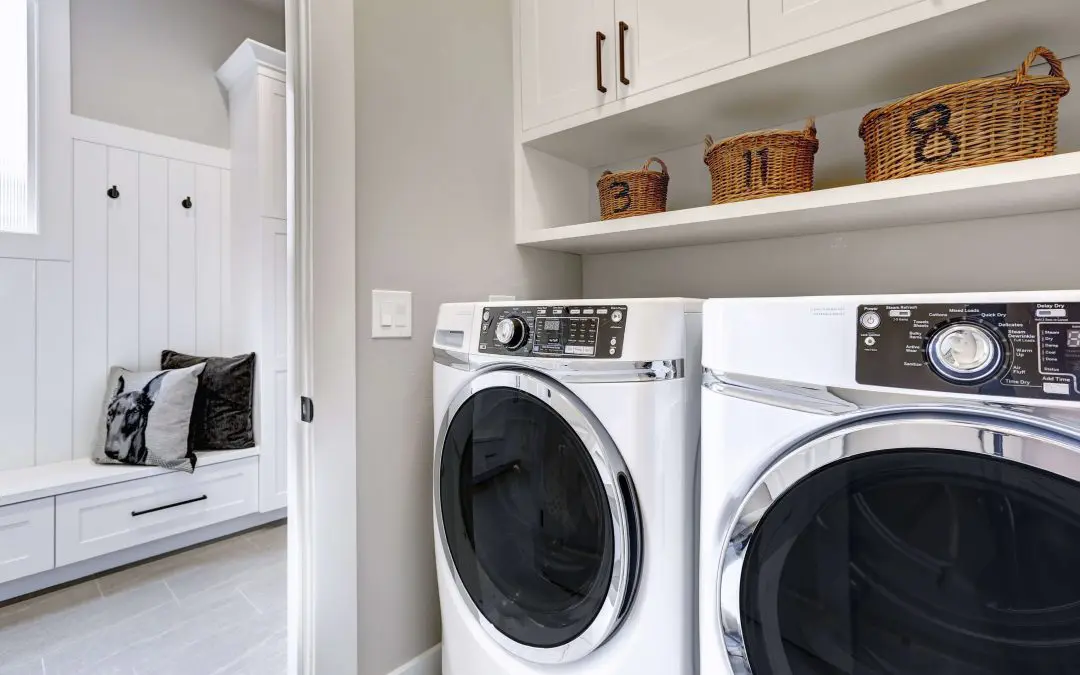
Home appliances play a critical role in daily comfort and efficiency, yet they are often taken for granted until something goes wrong. Extending the lifespan of appliances helps homeowners avoid unexpected breakdowns, control long-term costs, and maintain a smoothly functioning household. With the right habits, routine maintenance, and early attention to performance changes, appliances can often exceed their expected service life while operating more efficiently.
Why the Lifespan of Appliances Matters
The lifespan of appliances has a direct impact on both short and long-term household expenses. Premature appliance failure often leads to emergency replacements, limited product options, and higher installation costs. Appliances that operate beyond their expected lifespan also tend to use more energy when not properly maintained. By focusing on care and upkeep, homeowners will reduce waste, improve efficiency, and avoid the stress that comes with sudden appliance failure.
Daily Habits That Influence Appliance Performance
Every day usage habits significantly affect how well appliances hold up over time. Overloading washers and dryers strains motors and bearings, while overcrowding refrigerators reduces airflow and forces compressors to work harder. Slamming doors, ignoring manufacturer settings, or running appliances unnecessarily all contribute to accelerated wear and tear. Using appliances as intended and giving them time to rest between cycles supports smoother operation and longer service life.
Routine Maintenance Extends the Lifespan of Appliances
Consistent maintenance is one of the most effective ways to extend the lifespan of appliances. Cleaning refrigerator coils allows heat to dissipate properly, reducing stress on the compressor. Replacing HVAC filters guarantees unrestricted airflow and prevents system overwork. Dishwashers and washing machines benefit from periodic cleaning to remove detergent residue and mineral buildup. Small maintenance tasks performed regularly help prevent overheating, mechanical strain, and unexpected shutdowns.
Water Quality and Electrical Protection
Water quality and electrical stability play a crucial role in maintaining appliance health. Hard water can cause scale buildup inside water heaters, washing machines, and dishwashers, reducing efficiency and increasing wear on internal components. Installing water softening systems or using descaling treatments will help minimize damage. Electrical surges, even small ones, can damage electronic control boards. Surge protectors and proper grounding reduce the risk of electrical damage that can shorten appliance lifespan.
Installation and Environment Matter
Proper installation is crucial for the longevity of appliances. Appliances that are not level may experience uneven wear, increased vibration, and mechanical failure. Poor ventilation around refrigerators, dryers, and ovens traps heat, forcing components to work harder than they were designed to. Gas appliances require correct venting to operate safely and efficiently. Verifying installation requirements and allowing adequate clearance around appliances helps prevent unnecessary strain and performance issues.
Extending the Lifespan of Appliances Through Timely Repairs
Addressing minor issues early can significantly extend the lifespan of appliances. Loose belts, worn seals, clogged drains, or faulty sensors often begin as small problems but could lead to larger failures if ignored. Prompt repairs prevent damage from spreading to more expensive components. Understanding when a repair is reasonable versus when replacement is more cost-effective helps homeowners make informed decisions without wasting money.
Warning Signs That Should Not Be Ignored
Appliances often provide early warning signs before failing completely. Unusual noises, excessive vibration, longer run times, inconsistent temperatures, and unexplained spikes in utility bills all indicate declining performance. These symptoms suggest internal stress that should be evaluated. Paying attention to changes in how appliances operate allows homeowners to intervene early and avoid more extensive repairs.
Extending the lifespan of appliances is about consistency. Thoughtful use, routine maintenance, and early action help homeowners protect their investments and keep their homes running efficiently for years to come.
Frequently Asked Questions (FAQs)
How long should major household appliances last?
Most major appliances are designed to last between 10 and 15 years, though many can last longer with proper care, maintenance, and responsible usage.
Does professional servicing help extend the life of appliances?
Professional servicing will identify hidden issues, improve efficiency, and prevent minor problems from escalating into major failures, particularly for HVAC systems and complex appliances.
Are newer appliances more fragile than older models?
Newer appliances often include advanced electronics that require stable power and proper maintenance. While efficient, they greatly benefit from surge protection and routine maintenance.
Is it better to repair or replace an aging appliance?
If repair costs are reasonable and the appliance is otherwise performing well, repairs often extend its usefulness. Frequent repairs or declining efficiency may indicate replacement is more practical.
Can preventive maintenance really save money?
Yes. Preventive maintenance reduces energy costs, minimizes repair expenses, and helps homeowners avoid the higher costs associated with emergency replacements.
HomeSpec offers inspection services in North Mississippi and Southwest Tennessee. Contact us to request an appointment.